

As winter blankets much of the globe, the adventurous traveler seeks destinations that offer warmth, vibrancy, and deep cultural experiences. For those looking to swap the predictable for the mystical, Morocco presents an irresistible proposition. Its winter season is not a period of hibernation, but a time of mild temperatures, clear skies, and some of the country’s most evocative festivals and traditional gatherings, particularly in the desert and the imperial cities like Marrakech.
Choosing Morocco for your winter getaway means stepping into a land where ancient traditions meet stunning landscapes, providing a cultural contrast that is both accessible and profoundly enriching.
Why Morocco is the Ideal Winter Adventure Destination
Winter, specifically from November to January, is arguably the best time to experience Morocco, especially if your itinerary involves the desert or hiking.
- Optimal Weather: While the Atlas Mountains will be capped with snow (offering beautiful scenery), the key travel hubs remain delightfully temperate.
- Marrakech and Coastal Areas: Daytime temperatures are comfortable, perfect for souk exploration and city tours without the intense summer heat.
- The Sahara Desert: This is the ideal season for a desert safari. The scorching summer heat is absent, making camel trekking, dune hiking, and overnight camping enjoyable and safe.
- Authentic Cultural Immersion: Winter allows for a deeper connection with the locals. The reduced tourist crowds mean more personalized interactions in the medinas (old quarters) and a better opportunity to witness authentic community life.
Key Winter Festivals and Seasonal Events
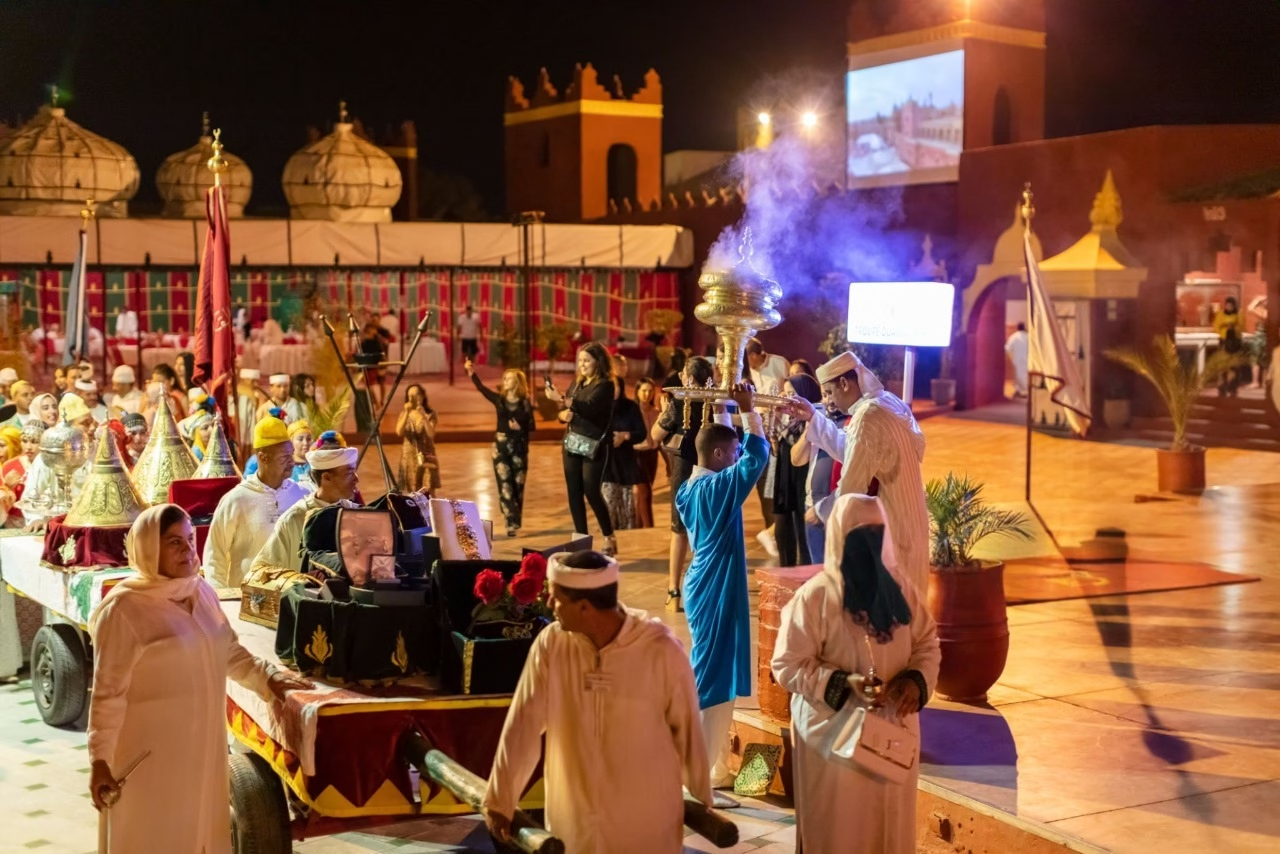
Morocco’s winter calendar is dotted with unique events that capture the country’s diverse cultural spirit, appealing directly to the traveler seeking experiences outside the ordinary.
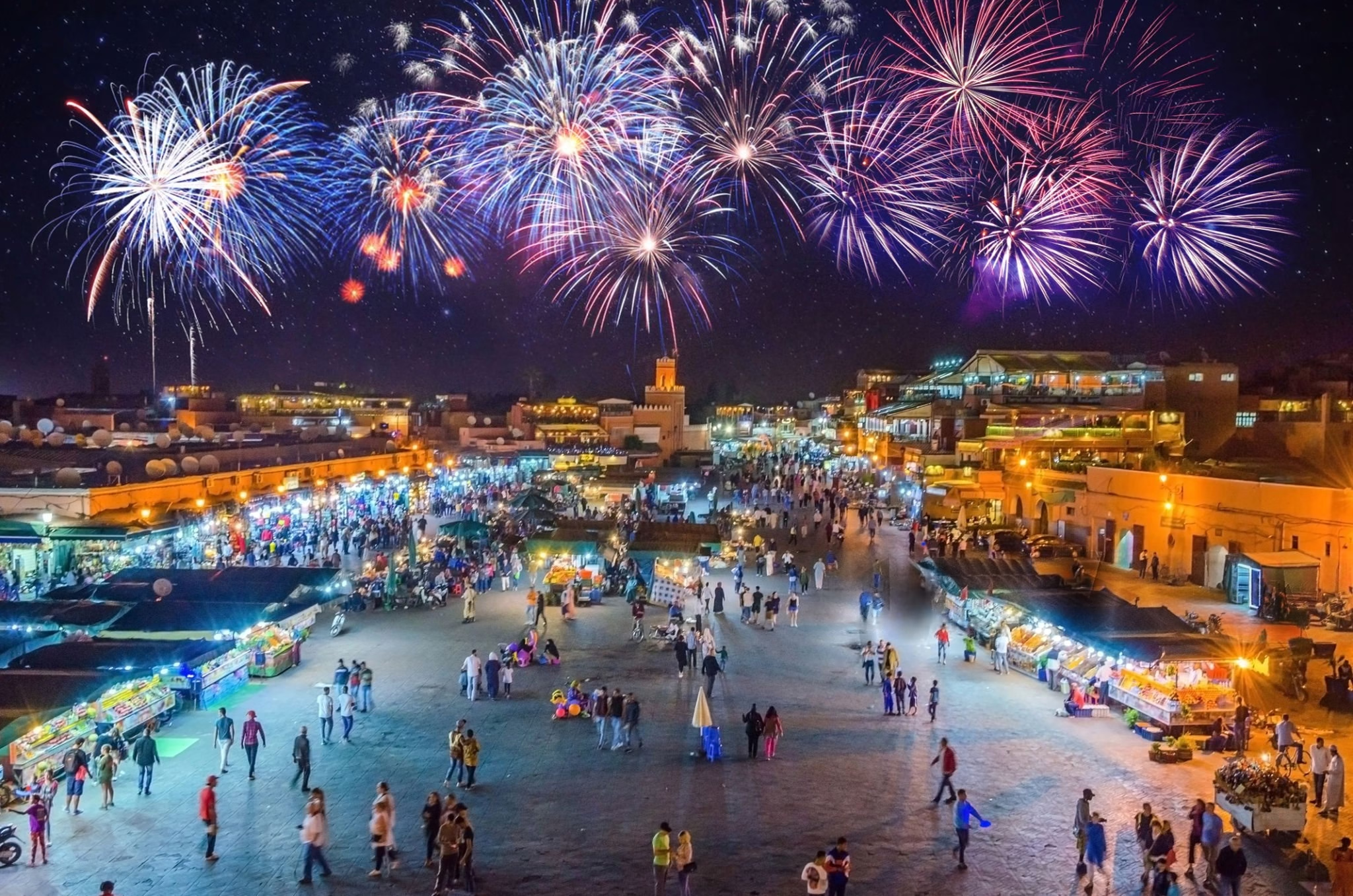
- Marrakesh International Film Festival (MIFF): Typically held in late November/early December, MIFF transforms the city into a global cinematic hub. Attending offers a glamorous break from historical sightseeing and is a great opportunity for star-spotting and enjoying the energy of the Djemaa el-Fna square.
- Berber New Year (Yennayer): Often celebrated in January, this is a beautiful cultural event, especially in the Atlas Mountain regions. Travelers can witness traditional feasting, music, and unique customs that mark the beginning of the Berber agricultural calendar.
- Desert Gatherings: While not always formalized festivals, the cooler months host various nomadic and village moussems (seasonal religious festivals) in the south. These events, often centered around religious or harvesting themes, offer powerful insights into the rich, resilient culture of the Moroccan desert people.
- New Year’s Eve in the Sahara: Celebrating the New Year under the pristine, star-filled skies of the Merzouga or Zagora desert is an unparalleled, bucket-list adventure.
Planning Your Moroccan Adventure: Cost and Accessibility
For the adventurous Indian traveler, Morocco offers a compelling balance of exoticism and logistical feasibility, especially when compared to destinations in Europe or the Americas.
- Cost Efficiency: While not as budget-friendly as Southeast Asia, Morocco remains significantly more affordable than most Western destinations. Accommodation (especially riads) and local food in the souks offer excellent value for money.
- Accessibility for Indian Travelers:
- Visa Process: Indian citizens require a visa for Morocco. The process, while mandatory, is straightforward when initiated well in advance through the Moroccan embassy or consulate.
- Flights: Direct or one-stop flights via major hubs in the Middle East (like Dubai or Doha) make the journey efficient and comfortable.
- Dealing with the Cold: While the coast is mild, the mountains and the desert can be freezing at night. Layered packing is crucial: bring light clothing for sunny days and heavy insulation for chilly desert evenings.
FAQ: Essential Questions for Morocco Winter Travel
A. Daytime temperatures stay around 18–22°C (65–72°F), while nights turn much colder, dropping to about 8°C (46°F).
A: Yes, January is one of the best months for desert travel. The weather is dry and sunny, making the days perfect for exploration, though you must prepare for very cold nights.
A: While winter is not the peak season, spaces fill up, especially around Christmas and New Year’s. It’s always best practice to book your preferred riad (traditional guesthouse) 2–3 months in advance.
Conclusion: Choose Culture, Choose Contrast
Morocco offers the adventurous traveler a complex, vibrant, and rewarding winter escape defined by deep tradition and mild weather. From the cinematic buzz of Marrakech to the silent, starry majesty of the Sahara, the country provides the perfect canvas for those seeking authentic cultural contrast.
Ready to trade the familiar for the mystical this winter? Let GoVista plan your perfectly layered and deeply cultural Moroccan adventure.