

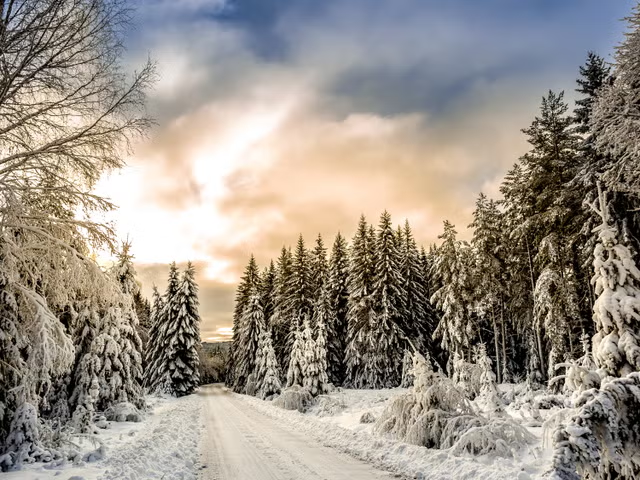
The call of a winter adventure, be it the snow-dusted trails of the Himalayas or the crisp air of a high-altitude pass. is irresistible. However, the success of these trips hinges almost entirely on how you pack. In extreme cold, poor gear choices are not just uncomfortable, they can be dangerous.
This detailed guide breaks down the science of staying warm into three crucial steps: mastering the layering system, protecting your extremities, and remembering the non-negotiable essentials for health and safety.

The Golden Rule: Mastering the 3-Layer System
The key to regulating body temperature in sub-zero conditions is to avoid overheating and getting wet (from sweat). The solution is a strategic layering system that traps heat while wicking away moisture.
Layer 1: The Base Layer (Moisture Management)
This layer sits directly against your skin. Its primary job is to wick sweat away from your body. Never wear cotton! Cotton absorbs moisture, leaving you damp and prone to becoming dangerously cold.
- Materials to Choose:
- Merino Wool: The gold standard. Naturally odor-resistant, excellent warmth-to-weight ratio, and comfortable against the skin.
- Synthetics (Polyester, Polypropylene): Excellent at moisture wicking, durable, and often more affordable. Best for high-output, sweaty activities.
Layer 2: The Mid Layer (Insulation)
This is your main heat trap. It provides insulation by capturing the warm air radiated by your body.
- Materials to Choose:
- Fleece: Lightweight, breathable, quick-drying, and retains warmth even if slightly damp. Comes in varying weights (100, 200, 300).
- Down or Synthetic Puffy Jacket/Vest: Provides superior warmth without excessive bulk. Down is highly compressible; synthetics retain warmth better when wet.
Layer 3: The Outer Layer (Protection/Shell)
This layer acts as your shield against external elements: wind, rain, and snow.
- Focus: Must be windproof and waterproof (or highly water-resistant and breathable). This prevents the wind chill from penetrating your inner layers and keeps snow/rain from soaking your insulation.
Guarding Your Extremities: Where Heat Escapes
You lose up to 40% of your body heat through your head, and cold fingers and toes can quickly ruin a trip. These items are non-negotiable.
- Footwear & Socks:
- Insulated, Waterproof Boots: Must be high-ankle for snow and have excellent grip for icy conditions. Break them in before your trip!
- Socks: Pack both thin, moisture-wicking liner socks (synthetic) and thick, warm wool or thermal socks. Never layer cotton socks. Bring extra pairs for sleeping.
- Gaiters (For Treks): Essential fabric sleeves that wrap around your boots and lower leg to prevent snow from entering your shoes.
- Head and Neck:
- Woolen Cap/Beanie: Must cover your ears completely.
- Neck Gaiter or Balaclava: Crucial for covering the neck and face against harsh winds and extreme cold. Much more effective than a traditional scarf.
- Hands:
- Layered Gloves: Bring thin, thermal liner gloves (for dexterity) and thick, insulated, waterproof outer gloves or mittens (mittens are warmer).
Don’t let the cold distract you from these essential items that ensure comfort, safety, and operational efficiency in high altitude and snow.
Health and Skincare
- Sun Protection: The sun’s UV rays are intensified at altitude and amplified by reflection off the snow (risk of snow blindness).
- UV-Protected Polarized Sunglasses: Absolutely essential. Wraparound styles are best.
- High-SPF Sunscreen (SPF 30+): Apply generously to all exposed skin.
- Lip Balm with SPF: To prevent painfully chapped lips.
- First Aid and Hydration:
- Personal First Aid Kit: Pain relievers, antiseptic wipes, blister plasters, and personal medication (including any altitude sickness medication like Diamox, as prescribed by your doctor).
- Thermos Flask: Essential for keeping water warm. Cold water discourages drinking, but staying hydrated is key to preventing altitude sickness.
- ORS or Electrolyte Mix: Important for replenishing salts lost due to exertion.
Technical Gear
- Headlamp: Winter days are short, and evenings are long. A reliable headlamp (with extra batteries stored inside your jacket/sleeping bag to prevent freezing) is mandatory.
- Power Bank/Extra Batteries: Cold drains batteries quickly. Keep electronics in warm inside pockets.
- Trekking Poles (for Treks): Provides stability and reduces strain on your knees, especially on icy or downhill sections.
FAQ: Winter Adventure Packing Essentials
A: Both have trade-offs. Down insulation (from ducks/geese) offers the best warmth-to-weight ratio and is highly compressible, making it ideal for dry, extremely cold climates (like high-altitude Ladakh). However, synthetic insulation retains its insulating properties even when wet (from rain or sweat), dries faster, and is generally more budget-friendly, making it better for damp, unpredictable conditions or high-exertion activities.
A: This is common! You must start slightly cool at the trailhead. If you are warm while standing, you will overheat immediately when moving.
Before stripping layers, vent by opening pit zips, front zips, and pushing up sleeves.
Ensure your base layer is high-quality synthetic or Merino wool, as wicking sweat away is your top priority to prevent hypothermia.
Layering socks creates friction, which can lead to blisters. More critically, it can compress your foot inside the boot, cutting off blood circulation and actually making your feet colder. Always wear one thin, moisture-wicking liner sock next to the skin and one high-quality, non-cotton thermal sock (wool or thick synthetic) on top.
A: Carry copies of your International Health Insurance details, a list of emergency contact numbers (both local and home), and a printed booking confirmation for lodging and transportation. For high-altitude treks, include a printout of your doctor-prescribed medication list (e.g., Diamox) in case of an emergency.
Conclusion: Pack Smart, Travel Safe
Packing for a winter adventure is less about bulk and more about breathability, wicking, and insulation. By choosing the right fabrics and adhering to the 3-Layer System, you equip yourself to handle rapidly changing conditions, ensuring you spend your trip focusing on the stunning views, not the cold.
Ready to test your gear against the mighty Himalayas? Let GoVista plan your next expertly guided winter trek.