

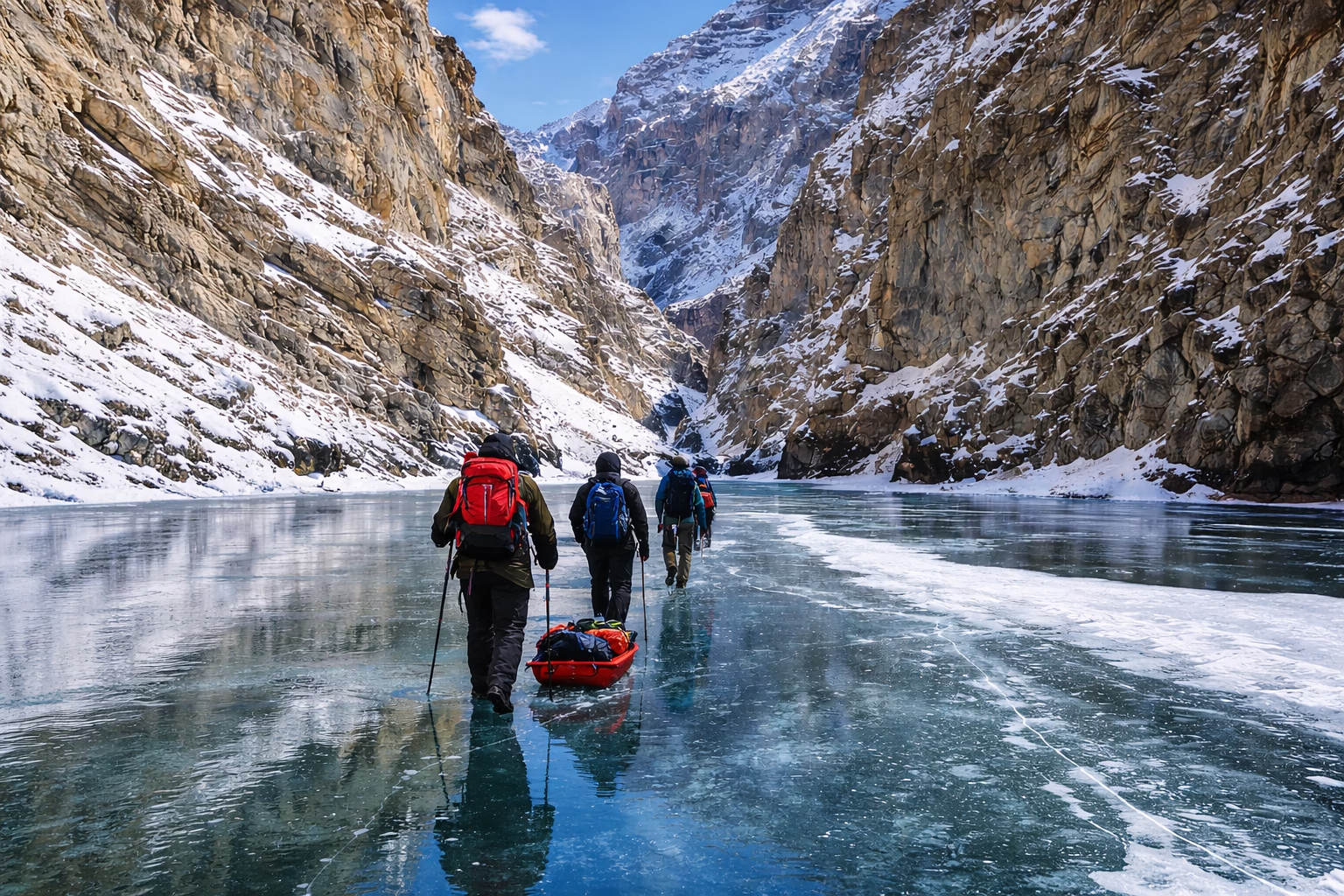
When winter descends upon Ladakh, the roaring Zanskar River does something miraculous: it goes silent. As temperatures plummet to -30°C, the water transforms into a shimmering, translucent sheet of ice known as the Chadar. For centuries, this “Ice Highway” was the only way for the people of Zanskar to stay connected to Leh during the grueling winter months.
Today, the Chadar Trek has become the ultimate bucket-list adventure for those who seek to test their limits against the rawest elements of the Himalayas. But the Zanskar frontier in January offers more than just a trek; it is a season of rare wildlife sightings and profound spiritual isolation. If you are serious about taking on this challenge, we highly recommend you revisit our definitive guide on the Chadar Trek to understand the specific fitness levels and gear required for success.
Navigating the “Ice Highway”: The Chadar Experience
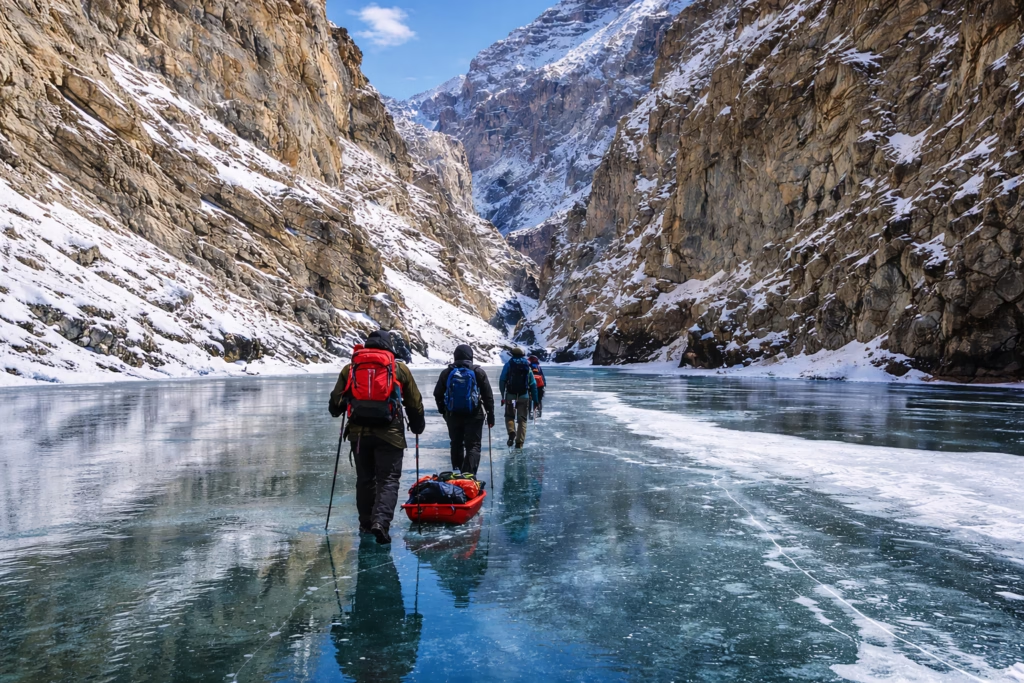
Walking on the Chadar is unlike any other trekking experience in the world. It is a constant negotiation with nature, where the “road” beneath your feet changes by the hour. The ice can be hard and glass-like, or it can be a “shush” of half-frozen slush.
- The Sound of the River: One of the most hauntingly beautiful aspects of the trek is hearing the river rushing beneath the ice- a constant reminder of the living force beneath your feet.
- The Penguin Walk: Navigating the ice requires a specific technique. To avoid slipping, trekkers adopt a flat-footed “penguin walk,” keeping their center of gravity low.
- Rapid Landscapes: Every turn reveals something new, from massive frozen waterfalls that look like pipe organs to narrow gorges where the sun only hits the ice for a few minutes a day.
Survival at -30°C: Living in Caves
The sheer thrill of the Chadar Trek lies in its extremity. Survival here isn’t just about walking; it’s about adapting to a landscape where hot water turns to ice in minutes and the air is thin and biting. This fragile, high-altitude environment reminds us why we celebrate the importance of sustainable tourism. For a broader perspective on why peaks matter so much, take a moment to read our article on International Mountain Day.
- Living in Caves: Historically, Zanskari travelers sought refuge in the caves along the riverbanks. Modern trekkers often replicate this experience, huddling in caves like Tibb or Nerak. These natural shelters provide a sense of ancient connection and protection from the howling winds.
- The Gear Factor: At these temperatures, your gear is your lifeline. A high-quality down jacket, triple-layer socks, and a heavy-duty sleeping bag are non-negotiable.
- The Mental Game: Surviving -30°C requires mental fortitude. It’s about the joy of a hot bowl of Thukpa at the end of a frozen day and the camaraderie of a team huddled around a small kerosene stove.
Hemis National Park: Tracking the “Grey Ghost”
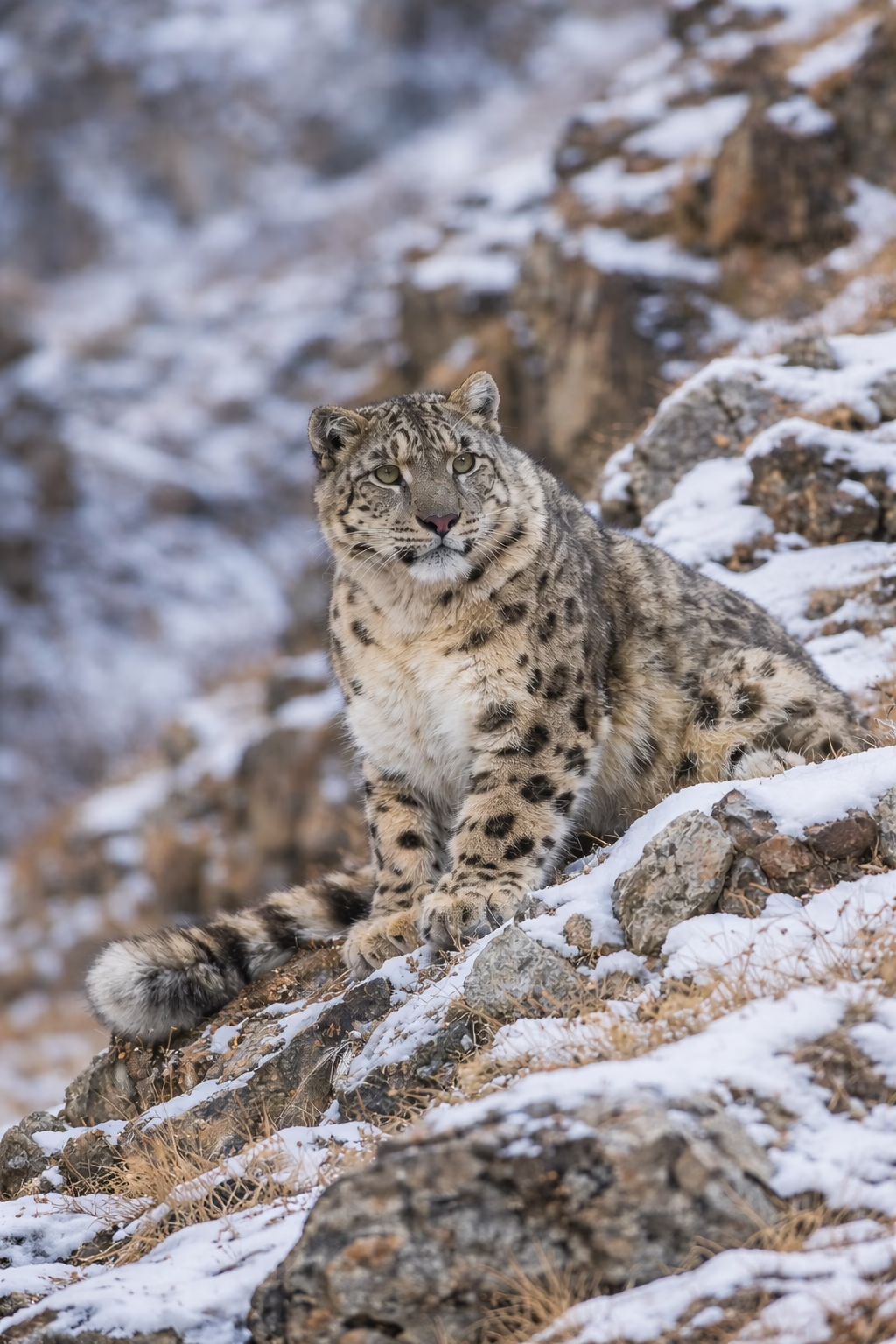
January is the peak month for another of Ladakh’s great mysteries: the Snow Leopard. While the Chadar occupies the river, the high ridges of Hemis National Park become the stage for the “Grey Ghost of the Himalayas.”
- The Descent: As heavy snow covers the high peaks, the blue sheep (bharal) descend to lower valleys in search of food. The Snow Leopards follow their prey, making January the best time for sightings.
- Patience is Key: A Snow Leopard safari is an exercise in mindfulness. You spend hours scanning the ridgelines with spotting scopes, waiting for a flick of a tail or a change in a rock’s shadow.
- Expert Spotters: GoVista works with local Ladakhi trackers who have an uncanny ability to spot these camouflaged predators from miles away, ensuring your best chance at a once-in-a-lifetime encounter.
The Spirituality of Winter Monasteries
While summer in Ladakh is bustling with tourists, winter brings a profound, quiet spirituality to its monasteries (Goempa). Without the crowds, the atmosphere at places like Thiksey or Hemis changes entirely.
- Intimate Rituals: You might find yourself the only visitor during the morning chants. The smell of butter lamps and the deep, rhythmic drone of the monks’ prayers feel far more intimate and powerful in the winter silence.
- A Time for Reflection: The isolation of winter is traditionally a time for meditation for the monks. Visitors can witness a side of Ladakhi Buddhism that is deeply introspective and untouched by the usual tourist bustle.
FAQ: Essential Advice for a Ladakh Winter Trip
A: The Chadar Trek is physically demanding and mentally taxing. While you don’t need advanced mountaineering skills, you must be in excellent cardiovascular shape and have previous experience with high-altitude trekking.
A: Layering is everything. You need a wicking base layer (no cotton!), a heavy fleece or down mid-layer, and a windproof outer shell. Don’t forget high-quality insulated boots and a thermos to keep your water from freezing.
A: Yes, Hemis National Park requires a wildlife entry permit. Additionally, the Chadar Trek requires a specific medical clearance from the SNM Hospital in Leh to ensure you are acclimatized to the altitude.
A: Yes! Many travelers combine these experiences into a 14-to-18-day mega-adventure. It allows for better acclimatization and offers the full spectrum of Ladakh’s winter magic.
Conclusion: The Frontier Awaits
The Zanskar frontier in January is not for everyone. It is for those who find beauty in the bite of the wind and adventure in the silence of the ice. Whether you are navigating the “Ice Highway” or waiting for a Snow Leopard to emerge from the shadows, a winter trip to Ladakh is a journey into the heart of the wild.