

Vietnam is a popular destination for Indian travelers seeking exotic landscapes, rich history, and incredible cuisine. The period between November and January is often considered the peak season for its varied and generally pleasant weather, especially in the South.
If you are planning your Vietnamese adventure during these months, you’re in for a treat. However, Vietnam’s long, narrow geography means the weather changes dramatically from north to south. This detailed seasonal guide ensures you know exactly what to pack, where to go, and which amazing cultural events you can catch!
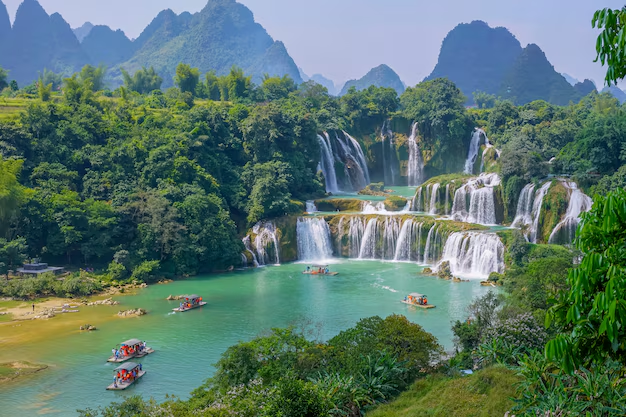
Vietnam Weather Guide: November to January Breakdown
Vietnam’s climate splits into three distinct zones, making regional planning essential.
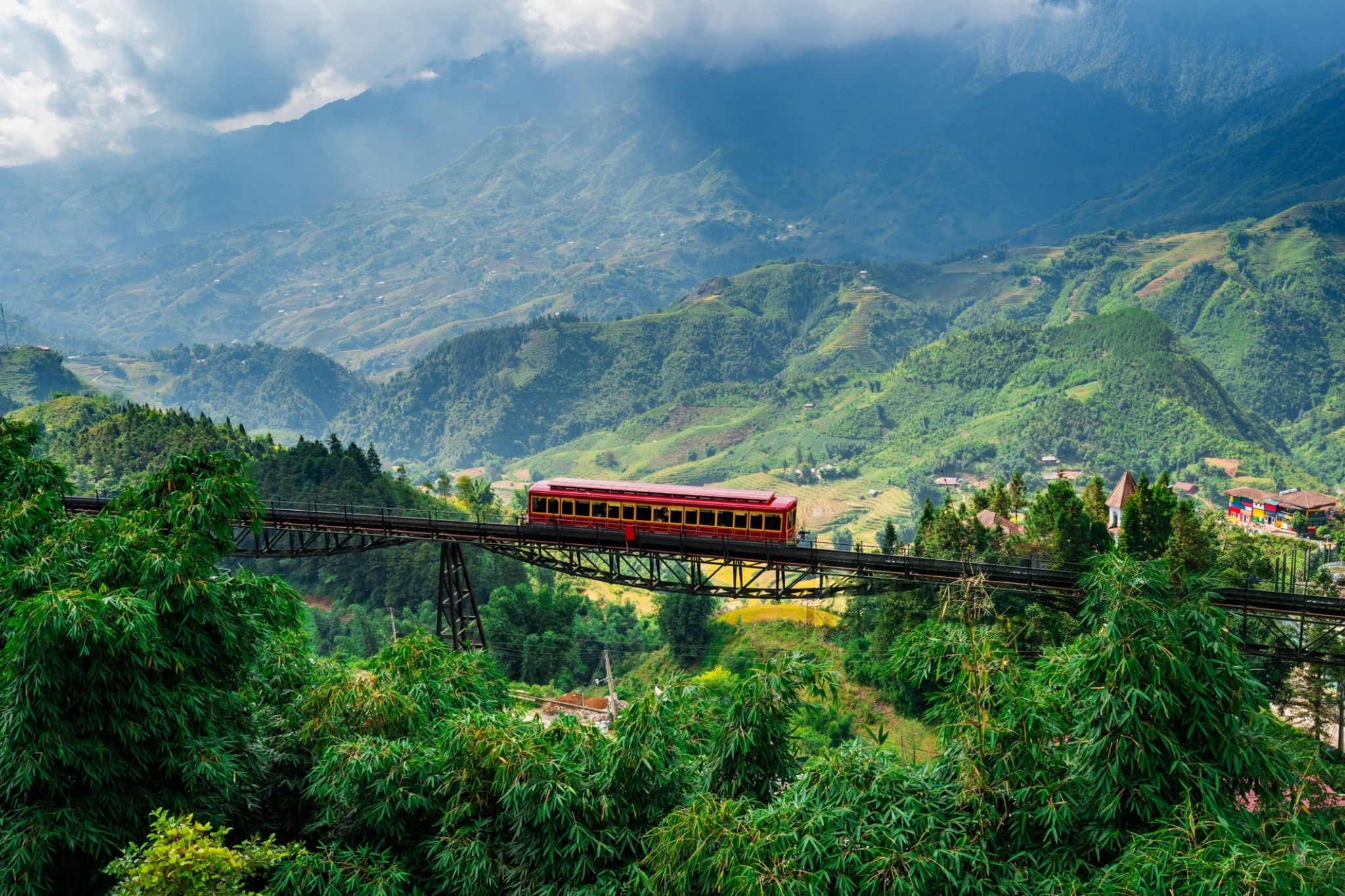
The North (Hanoi, Sapa, Ha Long Bay)
- Weather: This is the cold season. November is crisp and cool, but December and January can be surprisingly cold, especially in the mornings and evenings. Sapa often sees frost and temperatures near freezing.
- Best for: Clear skies over Ha Long Bay and cozy coffee mornings in Hanoi.
- What to Pack: Heavy jacket, thermal wear, scarves, and gloves, especially for Sapa.
The Central Region (Hue, Da Nang, Hoi An)
- Weather: This period marks the transition out of the rainy season. November is the tail end of the wet spell and can still be unpredictable. December and January are cooler and often cloudy, with some residual drizzle, but the humidity drops significantly.
- Best for: Sightseeing without the scorching summer heat.
- What to Pack: Light rain jacket, sweater, and comfortable walking shoes.
The South (Ho Chi Minh City, Mekong Delta, Phu Quoc)
- Weather: Simply perfect! November to January is the dry season. Expect consistent sunshine, low humidity, and warm, comfortable temperatures.
- Best for: Beach time, market exploration, and easy travel.
- What to Pack: Light cotton clothing, swimwear, and sunscreen.
Top Vietnam Destinations to Visit in Winter
Based on the climate, here is where you’ll have the best experience during the Indian winter months.
Hanoi, Sapa, and Ha Long Bay in the Cold Season
- Hanoi: The capital is romantic in the winter. The cooler weather is ideal for walking the Old Quarter, sipping hot egg coffee, and exploring museums without the fatigue of the summer heat.
- Sapa: For travelers craving a genuine cold-weather experience, Sapa delivers. The clear winter skies offer fantastic views of the terraced rice fields (though the fields themselves will be dormant/brown). The cool air makes trekking easier, but be prepared for freezing nights.
- Ha Long Bay: Often at its most beautiful. The cooler temperatures keep the crowds down, and the clear visibility (when not foggy) makes for spectacular photos of the limestone karsts rising out of the water.
Why South Vietnam is Perfect for a Winter Escape
- Ho Chi Minh City (HCMC): The dry, warm climate makes exploring HCMC a breeze. You can comfortably walk through Ben Thanh Market, visit the War Remnants Museum, and explore the bustling streets without midday fatigue.
- Mekong Delta: Traveling the waterways is easiest during the dry season, as water levels are stable. Enjoy boat trips and floating markets in comfortable sunshine.
- Phu Quoc & Con Dao (Islands): These islands offer quintessential beach weather, sunny and calm, making them perfect for relaxing after exploring the mainland.
Major Festivals and Events: Tet (Lunar New Year)
The biggest consideration for a trip between November and January is the timing of Tết Nguyên Đán (Lunar New Year), Vietnam’s most important and widely celebrated holiday.
- When it Falls: Tết usually falls between late January and mid-February.
- Impact: If your trip coincides with Tết (the week before, during, and the week after), be aware of the following:
- Transportation: Trains, buses, and domestic flights book out months in advance.
- Services: Many restaurants, small shops, museums, and markets close completely for several days as locals travel home and celebrate with family.
- Vibe: The atmosphere is electric with decorations, flower markets, and public celebrations, making it a unique cultural experience if you plan around the closures.
Essential Travel Tips During the Tết Holiday
Book all internal travel and accommodation at least three to four months in advance. Plan to stay in major hotels as they are more likely to remain operational.
FAQ: Quick-Answer Vietnam Travel Checklist
A: Yes, Indian nationals require a visa for Vietnam. You can apply for a Visa on Arrival (VOA) through a pre-arranged invitation letter, or apply for an E-Visa online.
A: Yes, this is generally considered the peak travel season due to the excellent weather in the South and the Christmas/New Year holidays. Prices for flights and mid-range accommodation tend to be higher.
A: Yes, trekking is safe, but be prepared for cold, often misty conditions, and slippery paths, especially after rain or frost. Always hire a local guide and wear shoes with excellent grip.
A: Southern destinations like Phu Quoc Island and Mui Ne offer the most reliable sunny and dry beach weather from November to January.
Conclusion: Plan for Diverse Beauty
Vietnam in the winter offers unparalleled diversity; you can go from wearing thermals in the chilly mountains of Sapa to relaxing in swimwear on the sunny beaches of Phu Quoc, all in the same week. By understanding the regional weather differences and planning around major events like Tết, you can design a truly magical trip.
Ready to start planning your multi-climate Vietnamese adventure? Let GoVista tailor the perfect itinerary for your ideal winter escape!